

In recent years, Class IV laser therapy has appeared as a groundbreaking method in athletic medicine, providing new solutions for pain relief and rehabilitating injuries. Competitors and practitioners alike are turning to this cutting-edge technology to tap into the therapeutic potential of laser light, facilitating quicker recovery periods and enhanced athletic performance. As the interest in Class 4 laser therapy increases, so does the requirement for a thoroughly informed knowledge of the multiple devices on the market and how to select the appropriate one for particular therapeutic purposes.
When evaluating Class 4 laser therapy devices, there are a variety of essential factors to evaluate. From power capacity and wavelength options to portability and safety features, making an informed decision can profoundly impact results. This article will explore the key features to consider in a Class 4 laser device, providing knowledge into their uses and advantages within the domain of sports health. Whether you are a healthcare professional, an athlete, or a team coach, grasping these elements will allow you to make the most effective choices for successful pain management and rehabilitation solutions.
Key Features of Class 4 Laser Therapy Devices
When looking at a Class 4 laser therapy device, the power output is a vital feature to assess. These devices typically have a power output greater than 500 milliwatts, enabling deeper tissue penetration and enhanced treatment. A increased power output can cause faster healing times, making it important for sports medicine where prompt recovery is required. Assessing the device's wattage makes certain that it meets the specific treatment needs of sports professionals and those in rehabilitation.
Another important aspect is another important factor in the effectiveness of laser therapy devices. Selecting the right wavelength can improve treatment outcomes based on the specific tissues. In https://writeablog.net/therapylaser44/incorporating-class-four-laser-therapy-within-comprehensive-health-methods , wavelengths in the 800-1000 nanometer range are ideal for deep tissue treatments, as they penetrate skin effectively and stimulate cellular processes. Research indicates that various wavelengths can yield varied therapeutic effects, making it crucial to select a device with wavelength options suitable for various conditions or injuries.
The portability and ease of use are also crucial features to consider in Class 4 laser therapy devices. Based on the clinical environment, a portable device may be required for practitioners who perform treatments in multiple locations or for home use. Features such as user-friendly design and user-friendly interfaces contribute to a smooth treatment experience. Furthermore, integrating essential safety mechanisms ensures that therapists can operate the devices safely while addressing patients' needs in a efficient manner.
Comprehending Power and Wavelength in Laser Treatment
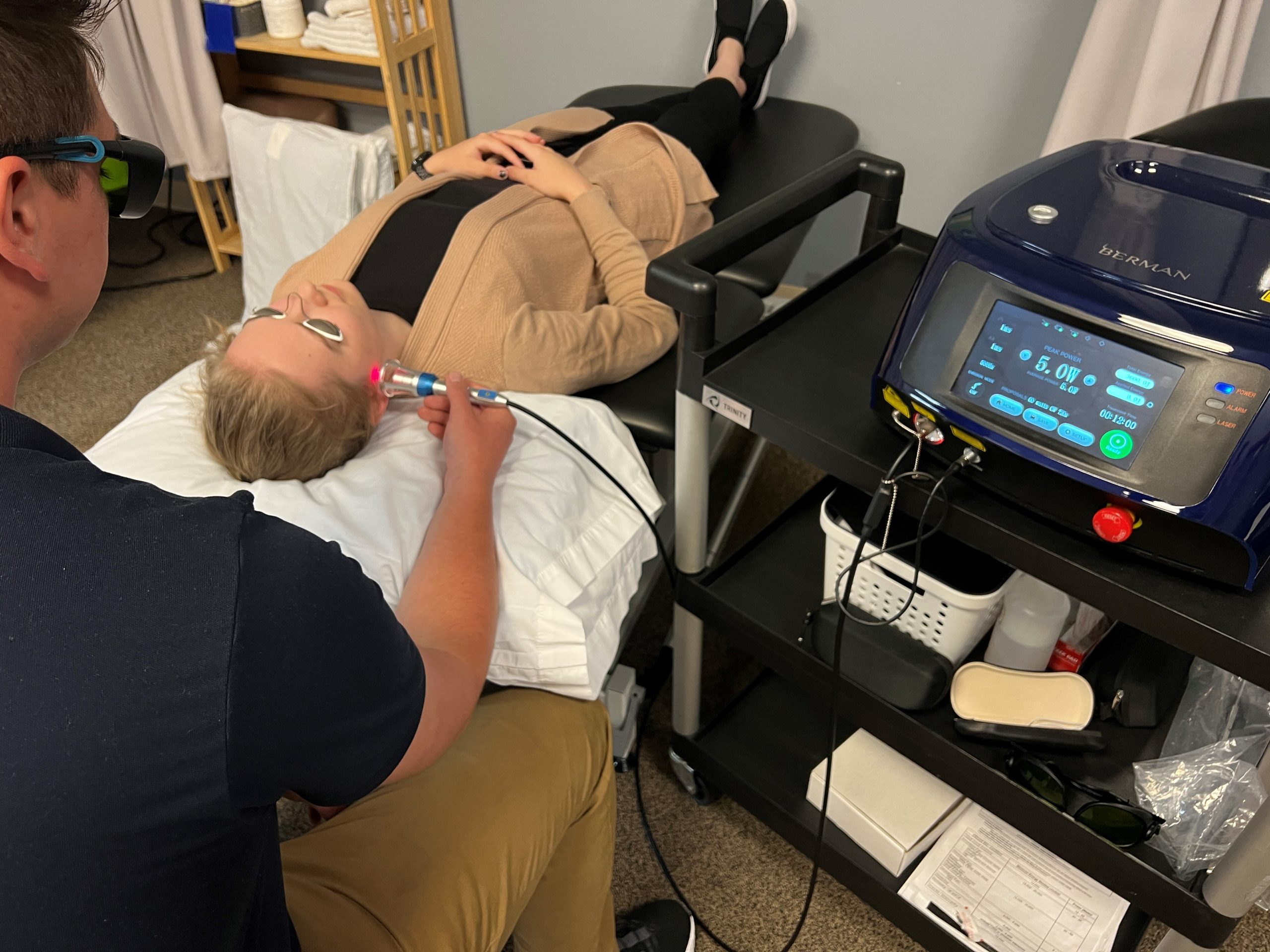
The energy output of a Class 4 laser treatment device is a critical factor in determining its efficacy. Power is quantified in units of power, and a higher wattage usually allows for more profound tissue infiltration and faster treatment times. Treatments utilizing elevated power settings can administer more energy to the affected area, which is essential for facilitating cellular repair and reducing pain. Nevertheless, it is crucial to find a balance between power with safety, as excess energy can cause tissue damage. Understanding https://breumrossen98.livejournal.com/profile and choosing appropriate power settings is critical in enhancing treatment outcomes.
Frequency is another crucial aspect of laser therapy, as it affects how deep the light can penetrate into the tissue and how effectively it can be absorbed by the affected cells. Different wavelengths align with different tissue kinds; for instance, shorter wavelengths are more appropriate for surface-level conditions, while longer wavelengths penetrate more profoundly, which are best for more significant musculoskeletal issues. When choosing a laser device, it's essential to take into account the specific wavelengths it offers to ensure that you can treat a range of conditions efficiently.
In along with power and wavelength, combining these elements can improve therapeutic outcomes. Devices that allow for adjustable options empower practitioners to customize treatment plans according to individual patient needs and conditions. This flexibility, together with the ability to select appropriate wavelengths, creates a more holistic approach to treatment, optimizing the benefits of Class 4 laser therapies in sports medicine and more.
Selecting the Ideal Class 4 Laser for Your Requirements
Selecting the ideal Class 4 laser therapy device necessitates careful thought of your particular needs and planned applications. Initially, assess the power output and wavelength that corresponds with the conditions you are aiming to treat. Devices that offer adjustable power settings can offer more tailored treatment, which is especially beneficial for addressing varying pain levels and particular tissue types. Consider the treatment protocols featured within the device; having pre-programmed settings can simplify your therapy sessions and enhance efficiency.
Next, consider the portability of the device in relation to your operation. If you intend to use the laser therapy in multiple locations or for on-the-go treatments, a portable model may be more appropriate. Conversely, if https://output.jsbin.com/kobikezoxu/ is stationary, investing in a more powerful stationary unit could yield better results with deeper tissue access. Be sure to consider safety features, such as cooling systems and FDA clearance, making sure that your chosen device complies with safety standards and minimizes risks during treatments.
Lastly, customer support and warranty options should be a priority in your decision process. A reliable manufacturer will provide training and certification for your team, ensuring that you are well-equipped to use the device effectively. Additionally, check user reviews to gain insights into the experiences of other professionals. Weighing price vs. performance will help you choose a device that fits within your financial limits while meeting your clinical needs, ensuring you make a well-informed investment in your practice.