

Class 4 laser therapy has emerged the robust method in the realm of pain control and recovery. With more people and medical practitioners looking for effective and non-invasive treatment alternatives, comprehending the intricacies of Class 4 laser technologies is essential. These innovative systems leverage the capabilities to promote tissue healing, minimize irritation, and alleviate pain for a multitude of ailments. However, with many devices available, each presenting varied capabilities and functionalities, it can be challenging to sort through the choices accessible.
This article, we aim to clarify Class 4 laser therapy by presenting critical insights into what patients need to understand prior to undergoing treatment. Starting from grasping the output power and wavelength options to assessing how important of ergonomic designs and safety measures, we will explore the main aspects that can help you decide properly. Whether you are searching for an effective pain management solution or curious about the latest innovations in laser technology, our comprehensive guide will equip you with the insight necessary to select the appropriate Class 4 laser therapy device matching your needs.
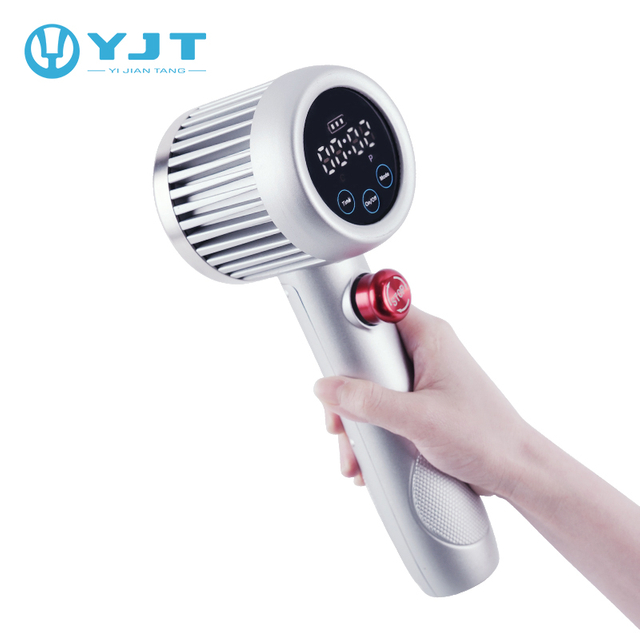
Key Considerations for Choosing a Class 4 Laser Therapy Device
When selecting a Class 4 laser therapy device, one of the most critical factors to consider is the output power. Devices labeled as Class 4 generally function at higher levels of power, which allows for deeper tissue infiltration and increased efficacy of various conditions. Consider models with adjustable power settings, as this feature permits practitioners to adapt the treatment to the specific needs of their patients, ensuring optimum effectiveness while maintaining safety.
Wavelength is another vital consideration. Various wavelengths can significantly influence the absorption of laser energy in tissues, affecting treatment outcomes. For try here , shorter wavelengths may penetrate surface tissues while long waves can reach deeper layers. Assess your treatment goals and choose a device that provides the appropriate wavelength options to target the desired tissue depth successfully, enhancing healing and pain relief during therapy sessions.
Moreover, evaluate the device's mobility versus stationary design. Portability might be a priority for practitioners who need to move or make home visits, while stationary devices are often typically more robust and better for clinical settings. You should also examine the ergonomic design of the equipment, as the comfort of the user can impact treatment efficiency. A device that is simple to handle will likely enhance the practitioner's ability to provide efficient and comfortable care to patients.
Grasping the Technological Aspects of Class 4 Laser Therapy
Class 4 laser therapy units are defined by their power output of over 500 milliwatts, enabling for enhanced tissue infiltration and more effective treatment outcomes. This high power level is crucial for controlling pain and enhancing healing in various medical conditions. Comprehending the specifications, such as output power and wave type, is essential when choosing the suitable device for individual patient needs, as these elements significantly influence the therapy’s efficacy.
Wave type is another critical consideration, as different wave types can infiltrate tissues at different depths. Typically, wave types between 800 to 1000 nanometers are favored for deep tissue applications, as they provide optimal absorption in hemoglobin and water. This absorption boosts the therapeutic effects, making wavelength selection a crucial aspect in enhancing treatment efficacy. Additionally, devices that offer multi-wavelength options can handle diverse conditions due to their adaptability in treatment options.
The configuration and ergonomics of Level 4 laser therapy units also play a major role in their usability and effectiveness. Mobility features are vital for practitioners who require to move between treatment areas, while fixed units often allow for more robust power output. Furthermore, the presence of variable power settings ensures that clinicians can customize the treatment intensity based on particular patient needs, leading to better safety and comfort during treatments.
Utilization and Patient Experience in Class 4 Laser Therapy
Class 4 laser therapy devices are increasingly utilized across various medical fields due to their efficacy in pain management and tissue healing. https://click4r.com/posts/g/20038846/genuine-patients-authentic-results-victorious-narratives-with-class use these lasers to treat physical injuries, as they encourage cellular repair and reduce inflammation. Veterinarians also find great success using Class 4 lasers to address similar issues in animals, highlighting the adaptability of this technology in both human and veterinary medicine. Users report significant improvements in patient outcomes, making these devices an essential part of therapeutic protocols.
User experience with Class 4 laser therapy devices often hinges on the user-friendliness and the device's comfortable design. Professionals appreciate intuitive controls that allow them to select treatment protocols quickly and adjust settings as needed. The advantage of pre-programmed settings can streamline sessions, ensuring patients receive consistent and effective therapy. Additionally, the significance of comfort for both the practitioner and the patient cannot be overstated; devices that lessen strain and allow for effortless movement contribute to a more favorable treatment environment.
Ultimately, the real-life effectiveness of Class 4 laser therapy is highlighted by user feedback. Many practitioners share that their patients experience reduced pain during sessions and quicker recovery times, validating the investment in quality devices. As advancements continue in this field, professionals are excited about incorporating new advancements that enhance treatment efficacy. The ongoing conversation among users about the latest technology trends ensures that Class 4 lasers are constantly optimized for patient care, fostering an culture of trust and efficacy in therapeutic practices.